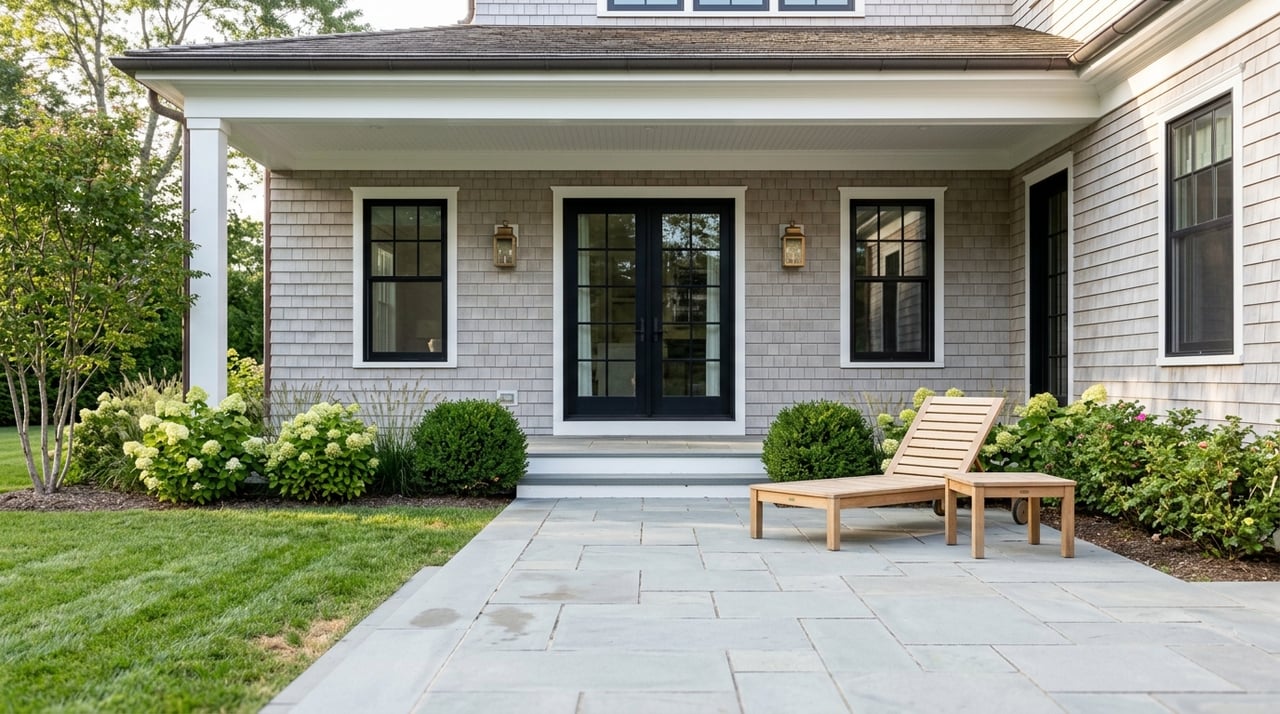
Cohasset vs Scituate: How to Choose the Right Town
May 14, 2026
May 14, 2026
If you are torn between Cohasset and Scituate, you are not alone. Both South Shore towns offer a coastal lifestyle, commuter access, and a strong sense of place, but they do not feel the same once you look closer. This guide will help you compare home prices, property taxes, schools, commuting, and day-to-day lifestyle so you can choose the town that fits your goals best. Let’s dive in.
For many buyers, the clearest difference between Cohasset and Scituate is cost. Based on March 2026 market snapshots, Cohasset had a median sale price of $1.0 million, while Scituate came in at $712,000.
That gap matters not just for your down payment, but for your monthly budget over time. In general, Scituate offers a lower-cost entry point, while Cohasset asks for more up front and more in ongoing carrying costs.
Municipal tax rates also shape the full cost of ownership. Cohasset’s FY2026 tax rate is $11.35 per $1,000 of assessed value, while Scituate’s FY2026 tax rate is $9.83 per $1,000.
On a home assessed at $1 million, that works out to about $11,350 per year in Cohasset and about $9,830 per year in Scituate before any exemptions. If you are comparing similar homes in both towns, this is an important line item to factor into your decision.
If you want to stretch your budget further, Scituate may give you more flexibility. If your priority is buying into a smaller, higher-priced coastal market and you are comfortable with the added cost, Cohasset may feel worth it.
The key is not deciding which town is better. It is deciding which cost structure fits your lifestyle and long-term plans.
Cohasset and Scituate are both coastal communities, but their size and layout create very different daily experiences. The right fit often comes down to whether you want a more compact town feel or more variety within one community.
Cohasset describes itself as a nine-square-mile town with about 8,000 residents. Town materials point to a New England-style village center, shoreline recreation, specialty shops, and restaurants.
Planning documents describe three main commercial areas: Village Center, the Harbor, and Route 3A. That gives Cohasset a more concentrated feel, with a tighter village-and-harbor identity.
Scituate reports about 18,000 year-round residents, with the population rising to around 30,000 in summer. The town describes itself as a historic seaside community with multiple village centers and strong seasonal activity.
Scituate Harbor serves as a town center with shops, restaurants, waterfront activities, entertainment venues, and the Harborwalk. The town also notes five beaches, four rivers, several marinas, and public boat launches, which adds to the sense of geographic variety.
If you are drawn to a more intimate village core and smaller-town scale, Cohasset may feel like the better match. If you want more beach areas, more village-center variety, and a busier summer rhythm, Scituate may offer the flexibility you are looking for.
A coastal town is not just about being near the water. It is also about how you want to spend your free time and what kind of waterfront setting feels natural to you.
Cohasset Harbor is known for an active lobster-fishing fleet along with recreational boating, sailing, kayaking, and paddleboarding. The town’s beach listings include Sandy Beach, Black Rock Beach, and Bassings Beach.
That mix supports a harbor-centered lifestyle that feels classic and compact. If you picture weekends built around a harbor setting and a smaller collection of beach options, Cohasset may speak to you.
Scituate highlights a broader waterfront mix. Along with Scituate Harbor, the town points to five beaches, four rivers, several marinas, and public boat launches.
For some buyers, that means more choices for how and where to enjoy the coast. If you like the idea of exploring different pockets of town and having multiple waterfront environments in one community, Scituate stands out.
If you commute into Boston or want regular regional access, transportation may be one of the biggest deciding factors. The good news is that both towns offer rail access, but the setup is a little different.
Town materials describe access to the commuter railway, commuter boats, and Route 3A. An official town document also notes MBTA access to Boston through a commuter rail station in Cohasset, a subway connection in Braintree, and commuter boat service in Hingham.
That gives Cohasset buyers a mix of rail, road, and ferry-oriented options. If you like having several commuting pathways to consider, that may be a plus.
Scituate says it has two MBTA Commuter Rail stations, one in North Scituate Village and one in the Greenbush-Driftway District. The town also states that daily service to South Station in Boston is approximately one hour, with supplemental South Shore Flyer service in the summer months.
If train access is central to your routine, Scituate’s two-station setup may feel convenient. The town’s commute description is also more specific about Boston travel time.
If schools are part of your decision, start with district structure and official public data. That gives you a clearer, more neutral foundation than broad rankings alone.
Cohasset Public Schools says the district includes four schools: Joseph Osgood for PreK through grade 2, Deer Hill for grades 3 through 5, Cohasset Middle School for grades 6 through 8, and Cohasset High School for grades 9 through 12.
The district also reports an average class size of 20, a student-teacher ratio of 13.9 to 1, and that 96% of graduates continue to postsecondary education. For buyers, that suggests a smaller and more compact district structure.
Scituate Public Schools lists six schools: Cushing Elementary, Hatherly Elementary, Jenkins Elementary, Wampatuck Elementary, Gates Middle School, and Scituate High School. The district’s 2025 DESE report card reflects PK through grade 12 service and 240.4 teacher full-time equivalents.
In practical terms, Scituate offers more neighborhood elementary options. That may matter if you want a larger district footprint with more local school locations.
Rather than looking for a one-word verdict, compare the structure that fits your household. Cohasset offers a more compact system, while Scituate offers more elementary school variety.
If schools are a major part of your move, it helps to review official district pages and state report card information alongside your housing search. That keeps your comparison grounded in consistent public data.
When buyers compare these towns, the answer usually comes into focus once they rank their priorities. Both towns offer coastal access and South Shore appeal, but they serve different preferences.
The best choice is not about chasing a universal winner. It is about matching your budget, commute, and lifestyle to the town that feels most natural for the way you want to live.
If you want a more compact, polished, village-and-harbor experience and are comfortable with a higher cost of entry, Cohasset may be the better fit. If you want more variety, a lower relative entry price, and more built-in commuting and beach options, Scituate may make more sense.
If you want help weighing specific neighborhoods, comparing current listings, or understanding what your budget can buy in either town, Erin Freeman can help you make a smart, confident move along the South Shore.
Stay up to date on the latest real estate trends.

Snow Bird
2026 Guide

Luxury Real Estate
Get assistance in determining current property value, crafting a competitive offer, writing and negotiating a contract, and much more. Contact me today.