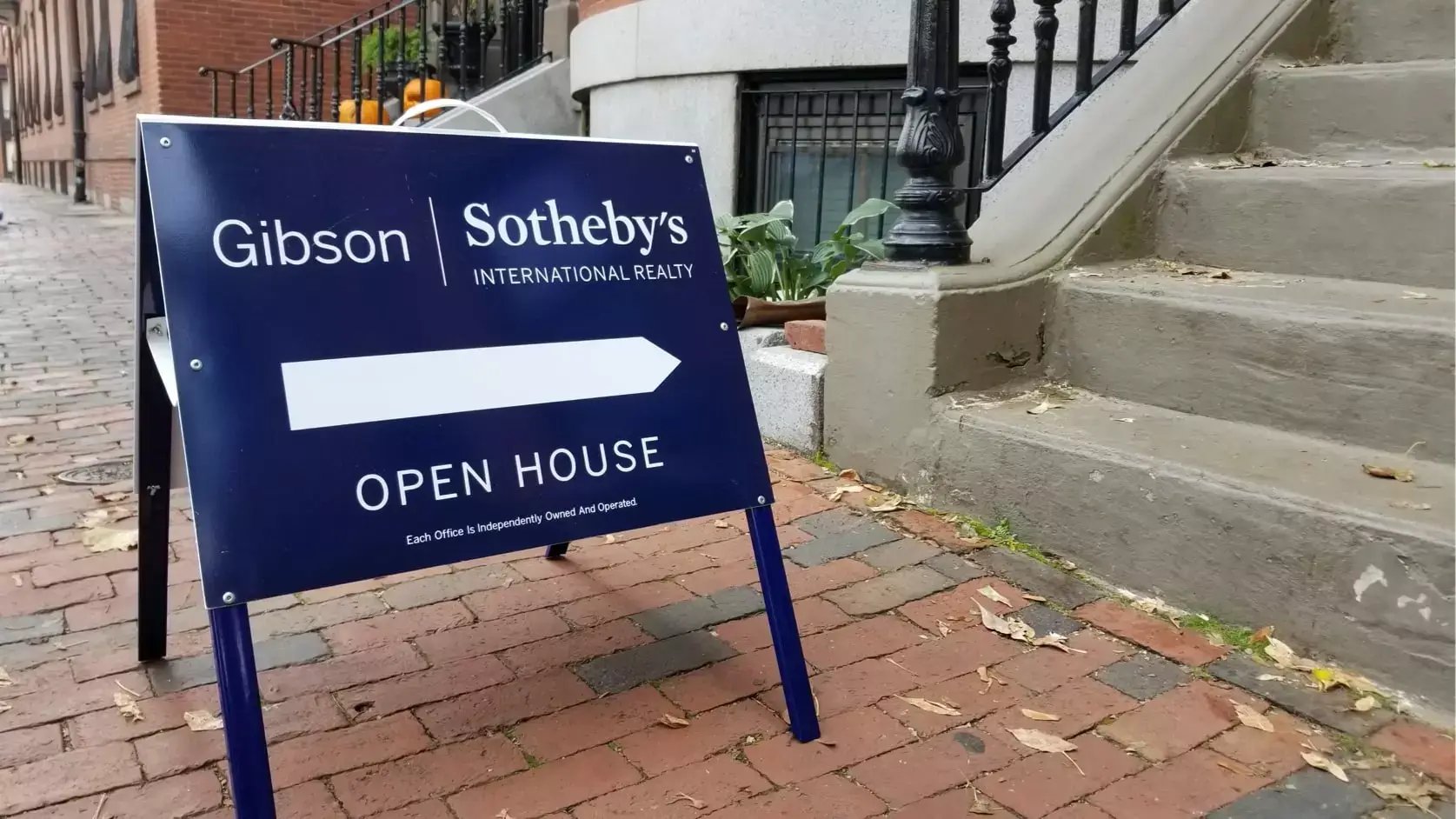
How to Buy a House on the South Shore in 2025
home search Erin Freeman November 5, 2025
home search Erin Freeman November 5, 2025
Whether you’re a first-time buyer or you’ve owned several homes, the process has a way of feeling brand new each time. Lending standards shift. Inventory patterns change. And on the South Shore, the differences between two towns that look similar on a map can completely alter your strategy.
This is a practical refresher on what still matters, what has evolved in recent years, and how to approach your next purchase with clarity.
The smartest place to begin is with a lender, not a listing. In competitive South Shore towns, sellers expect to see a strong pre-approval before they take an offer seriously. Today’s lending environment is more data-driven than many buyers remember. Debt-to-income ratios, cash reserves, and documentation are reviewed carefully.
If it has been several years since you applied for a mortgage, expect more paperwork. The process is digital and efficient, but lenders want to see the full financial picture. If you have a financial advisor, start there. It’s also wise to compare two or three local lenders, as rate structures and fees can vary meaningfully. If you need recommendations, I’m happy to share trusted contacts.
This region does not behave like a single, uniform market. Offer strategy in Hingham can look different than Cohasset. Scituate may feel different than Marshfield. Even within the same town, micro-neighborhood demand can vary more than buyers expect.
Inventory across desirable pockets tends to remain tight, which keeps pressure on well-priced homes. The pattern is consistent:
That’s why we focus on what is going under agreement, not just what is actively listed.
Housing stock here varies significantly, sometimes street by street.
It’s common to see:
If you’re exploring coastal or flood-prone areas, insurance should be part of your early budgeting conversation. Underwriting standards and premiums have evolved, and that impacts overall affordability.
If your last purchase was pre-2020, several shifts stand out. Interest rates are higher than the historically low levels many buyers remember, yet demand remains steady in strong towns. Many homeowners are holding onto low-rate mortgages, which limits resale inventory and tightens competition for quality homes. Financing strength often outweighs price in competitive situations. Clean offers with verified funds and reasonable contingencies frequently win over higher offers that introduce uncertainty.
Digital tools are now part of every search. Automated valuations, predictive pricing models, and virtual tours are helpful. But they cannot account for hyper-local nuance, street-level dynamics, or how a home truly feels in person. Climate and insurance considerations have also become part of affordability discussions, particularly in coastal communities.
Online photos rarely tell the whole story.
When touring, focus on what you cannot see from a listing:
If timing allows, it’s wise to visit your top choices at least twice. Once to experience the space. Once to evaluate it critically.
When you identify the right property, the strategy becomes specific to that home and that location. We review recent comparable sales, analyze current demand, and structure terms that are competitive without being reckless.
In Massachusetts, earnest money deposits often run around 5 percent of purchase price. In competitive situations, deposit strength and clean terms can matter as much as price. The goal is not simply to “win.” It is to secure the right home while protecting your long-term financial position.
A thorough inspection protects you. A good inspector identifies safety concerns, significant deferred maintenance, and potential budget issues. I help buyers distinguish between normal wear and legitimate red flags that should influence negotiations or decision-making.
After the Purchase and Sale agreement, the lender orders an appraisal. Most come in at contract value, but occasionally they do not. If that happens, there are options. The right response depends on the numbers and the situation. During underwriting, the lender re-verifies income, assets, and credit. This is not the time to open new credit lines, finance large purchases, or change employment without discussion.
Before closing, you’ll receive a Closing Disclosure outlining all costs associated with the purchase. Review it carefully. Massachusetts closings are typically handled by an attorney, which can differ from processes in other states. Expect a stack of documents, some patience, and then keys.
Do I need 20 percent down?
Not necessarily. Many buyers put down less, though private mortgage insurance may apply.
Can I buy before I sell?
Yes, with the right strategy. Bridge financing and coordinated closings can make it possible.
How long does the process take?
Typically 30 to 60 days from accepted offer to closing, depending on lender timelines and property complexity.
Is now a good time to buy?
If you are financially stable and planning to stay at least five years, ownership continues to outperform renting in many South Shore towns. Perfect timing is less important than personal readiness.
Erin Freeman is a dual-licensed Realtor with Gibson Sotheby’s International Realty on the South Shore and Premier Sotheby’s International Realty in Central Florida. Based in Hingham, she helps buyers navigate every stage of the process with a data-driven, strategic approach whether it’s a first home, a relocation, or a long-term move.
Stay up to date on the latest real estate trends.

Snow Bird
2026 Guide

Luxury Real Estate
Get assistance in determining current property value, crafting a competitive offer, writing and negotiating a contract, and much more. Contact me today.