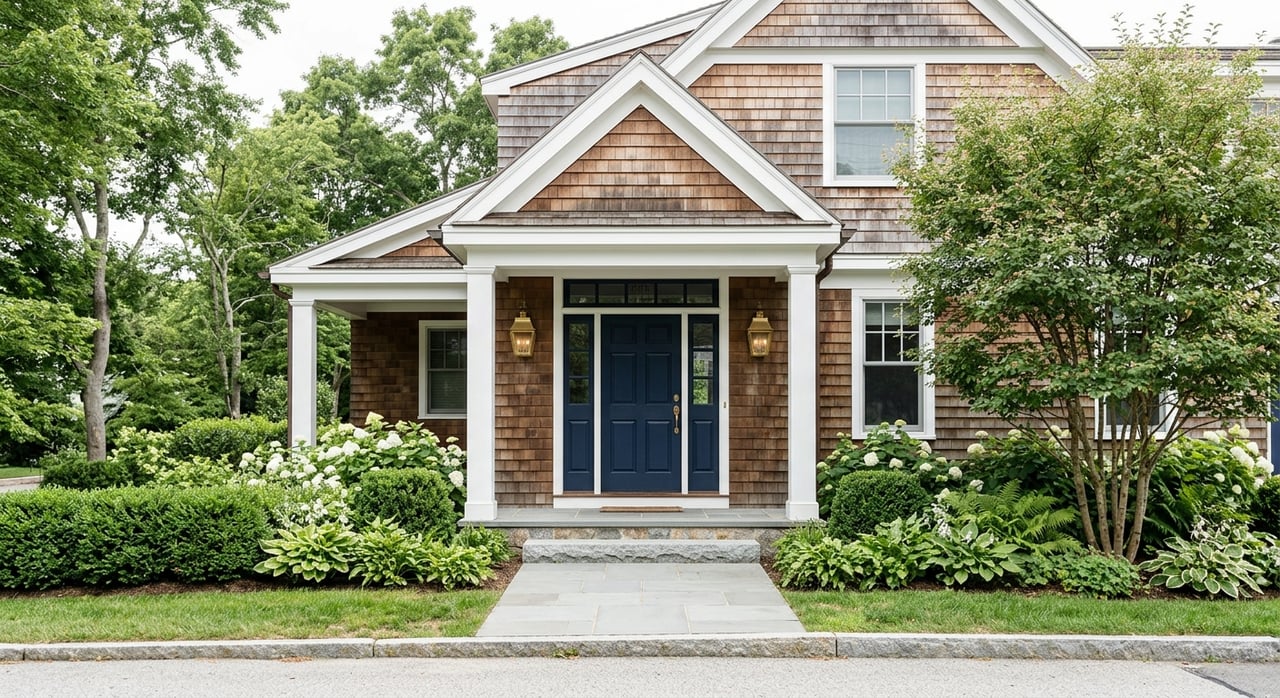
How Scituate’s Villages Compare For Year-Round Living
June 11, 2026
June 11, 2026
Wondering which part of Scituate actually works best when you live there all year, not just in July? That is one of the most important questions you can ask before buying here, because Scituate is not a one-note coastal town. Your day-to-day experience can feel very different depending on whether you choose the Harbor, a rail-served village, or a quieter residential neighborhood. This guide breaks down how Scituate’s villages compare for year-round living so you can match your home search to your routine, priorities, and lifestyle. Let’s dive in.
Scituate sits about 30 miles south of Boston and 30 miles north of Plymouth, and it blends seaside, suburban, and more residential living in a way that makes micro-location especially important. The town has about 18,000 year-round residents, and that number rises to around 30,000 in summer.
That seasonal change affects everything from traffic patterns to the pace of local business districts. It also helps explain why one area may feel lively and walkable year-round, while another feels more private and residential.
Scituate is still primarily a single-family home market. Town data show that 84.5% of housing units were single-family detached in 2023, with end-of-2024 median sale prices of $888,000 for single-family homes and $838,500 for condos.
At the same time, the town has directed more mixed-use and multifamily growth toward the Harbor, North Scituate, and Greenbush village areas. That is one reason these locations often feel denser, more walkable, and in many cases more premium than non-village neighborhoods.
If you want the most active village setting in town, Scituate Harbor is usually the first place to look. It is the town center and the most mixed-use part of Scituate, with shops, restaurants, waterfront activity, entertainment, civic spaces, and residential units in and around the downtown area.
For year-round living, the Harbor offers the strongest sense of being able to step out your door and enjoy daily amenities without getting in the car. The area is designed to be pedestrian-oriented, includes public parking, and supports a higher-density waterfront center.
One of the Harbor’s biggest lifestyle advantages is coastal access. Peggotty Beach is within walking distance of downtown, which gives you a rare mix of village convenience and easy beach proximity.
The tradeoff is pace. The Harbor also has the most visitor traffic and the strongest summer energy, so if you prefer quiet streets and less seasonal activity, it may feel busier than other parts of town.
Scituate Harbor tends to work best if you value:
In general, Harbor should also be understood as a premium location. Town materials note that much of Scituate’s multifamily housing stock is in Harbor or along the North River, and that inventory tends to be on the higher end of prices.
North Scituate offers a different kind of convenience. It is a smaller traditional neighborhood center just south of the Cohasset line along Route 3A, with a mix of shops, restaurants, pubs, services, and cultural amenities.
For many year-round buyers, the main draw is the North Scituate MBTA station. The village has commuter rail service to South Station along with ample parking, which makes it especially appealing if your routine includes regular trips into Boston.
Compared with the Harbor, North Scituate usually feels more neighborhood-scaled and less shaped by seasonal tourism. Planning documents describe the area as mostly single-family homes with some apartments, many within walking distance of the station.
That balance can be attractive if you want some village convenience without the Harbor’s heavier activity level. You still get a sense of place and local services, but with a smaller-scale daily rhythm.
North Scituate is often the strongest fit if you want:
For buyers comparing villages strictly through the lens of commuting, North Scituate usually ranks first. It combines rail access with a neighborhood-center atmosphere that many year-round residents find easy to live with.
Greenbush and the Driftway area offer one of the most flexible setups in Scituate. The town describes this district as a blend of a historic hamlet and a newer development center, with commuter rail service to South Station, GATRA bus connections, and the Driftway path linking Greenbush station to Scituate Harbor.
That transportation mix gives Greenbush a very practical edge for year-round living. If your schedule involves commuting, local connections, or regular movement between village amenities, recreation, and home, this area covers a lot of bases.
Greenbush also offers a broader housing mix than many other parts of town. Town planning documents describe historic homes and cottages, as well as condominiums and townhouses, including some with North River views and marina access.
In feel, Greenbush is generally more mixed-use and redevelopment-oriented than North Scituate, but less tourism-driven than the Harbor. For some buyers, that middle ground is exactly the point.
Greenbush is often a strong match if you want:
If your priority is transit plus service access, Greenbush stands out. It is especially useful for buyers who want choices in both housing type and transportation options.
Not every year-round buyer wants to live in or near a village core. Scituate’s non-village and inland neighborhoods include areas such as South Scituate, the West End, Egypt, the Glades, Lighthouse Point, Minot, Peggotty Beach, Sand Hills, Second Cliff, Shore Acres, and Third Cliff.
Because the town’s housing stock is still dominated by detached single-family homes, these areas usually feel more residential and less mixed-use. In practical terms, that often means more privacy, more yard space, and less day-to-day foot traffic.
That does not mean these neighborhoods are disconnected from the coastal lifestyle. Some coastal areas outside the village centers still see strong demand because of their proximity to the ocean, but the everyday feel is generally less centered on shops, services, and walkable business districts.
If you picture year-round living as quieter mornings, more separation from seasonal crowds, and a more traditional neighborhood setting, these locations may be the best fit. The tradeoff is that daily errands and dining are more likely to involve getting in the car.
These neighborhoods are often best for buyers who want:
For many buyers, this is where Scituate feels most like a classic residential coastal town rather than a village-centered destination.
When you narrow your search, it helps to focus on a few practical questions. In Scituate, your year-round experience often comes down to commute, pace, housing type, and how you want to access the coast.
If Boston access matters, North Scituate and Greenbush are the two key villages to compare. Both offer direct commuter rail service to South Station, while Greenbush adds bus connections and the Driftway path to the Harbor.
If you do not need rail access, the Harbor or a quieter residential neighborhood may make more sense. Your decision becomes less about transit and more about lifestyle and daily convenience.
Each part of Scituate has a distinct daily rhythm:
This is why two homes at similar price points can support very different lifestyles. The right choice depends on how you want your average Tuesday to feel, not just your summer weekends.
Scituate operates six oceanfront beach areas with seven designated swimming areas. Peggotty Beach is close to the Harbor, Egypt Beach sits between North Scituate and Sand Hills, and Sand Hills offers convenience-store access nearby.
For year-round living, beach proximity is only part of the equation. Seasonal beach stickers, traffic, and seasonal lifeguard coverage can all shape how convenient coastal access feels in practice.
Scituate is an expensive market overall, with town-reported end-of-2024 medians of $888,000 for single-family homes and $838,500 for condos. Village and waterfront-adjacent areas, especially Harbor and parts of the rail-served districts, often sit toward the top of the pricing structure because they combine location, density, and convenience.
Inland detached-home neighborhoods usually offer a more traditional space-for-location tradeoff. That can be appealing if your priority is privacy and a residential setting over walkability or mixed-use access.
If you are deciding where to focus your search, this quick framework can help.
The best village is not the same for everyone. In Scituate, the smartest move is usually the one that matches your daily routine, not just the one that looks best on a map.
If you are weighing Scituate’s villages and want guidance tailored to your commute, budget, and lifestyle goals, Erin Freeman can help you compare your options with clear local insight and a polished, high-touch approach.
Stay up to date on the latest real estate trends.

Luxury Real Estate
What South Shore and Greater Boston homeowners should know about Florida residency, taxes, and finding the right home from a Realtor licensed in both states.

Down Sizing
A Practical Roadmap for Families on the South Shore Ready for What's Next
Market Snapshot
Generational wealth, international buyers, and cash purchases are reshaping the high-end housing market.
Get assistance in determining current property value, crafting a competitive offer, writing and negotiating a contract, and much more. Contact me today.